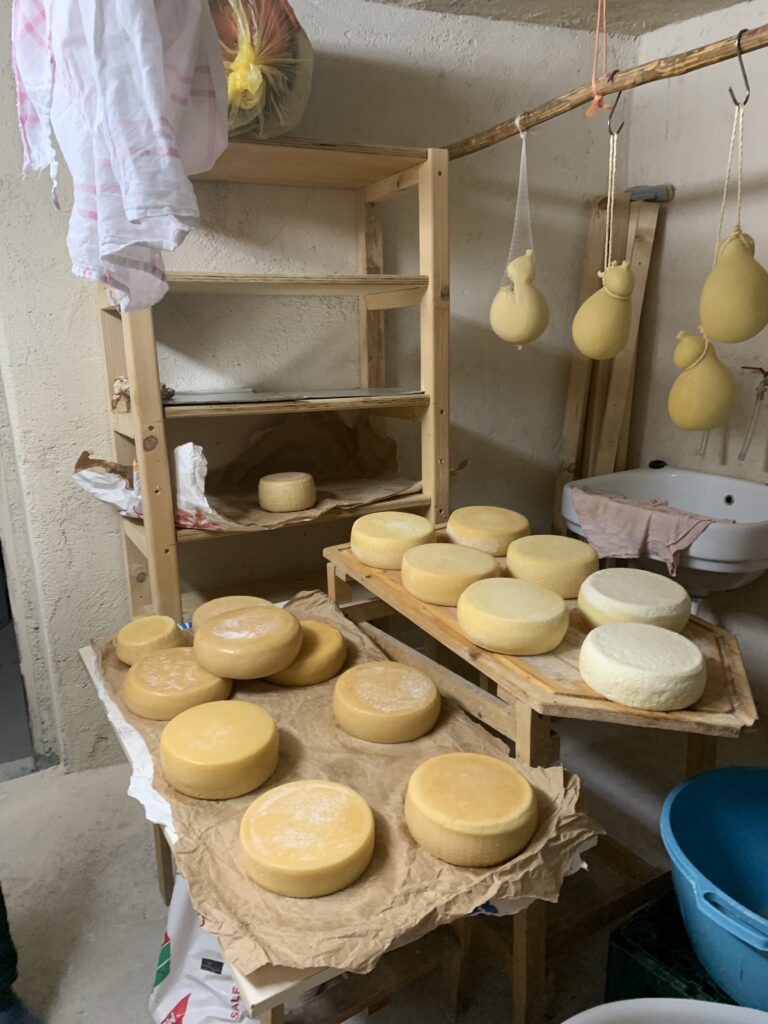
A recent trip to Italy provided me with quite possibly the most memorable immersive experience of Italian mountain life!
My wife’s father is from the mountainous Cilento region of Italy which is located about 2 hours southeast of Naples.
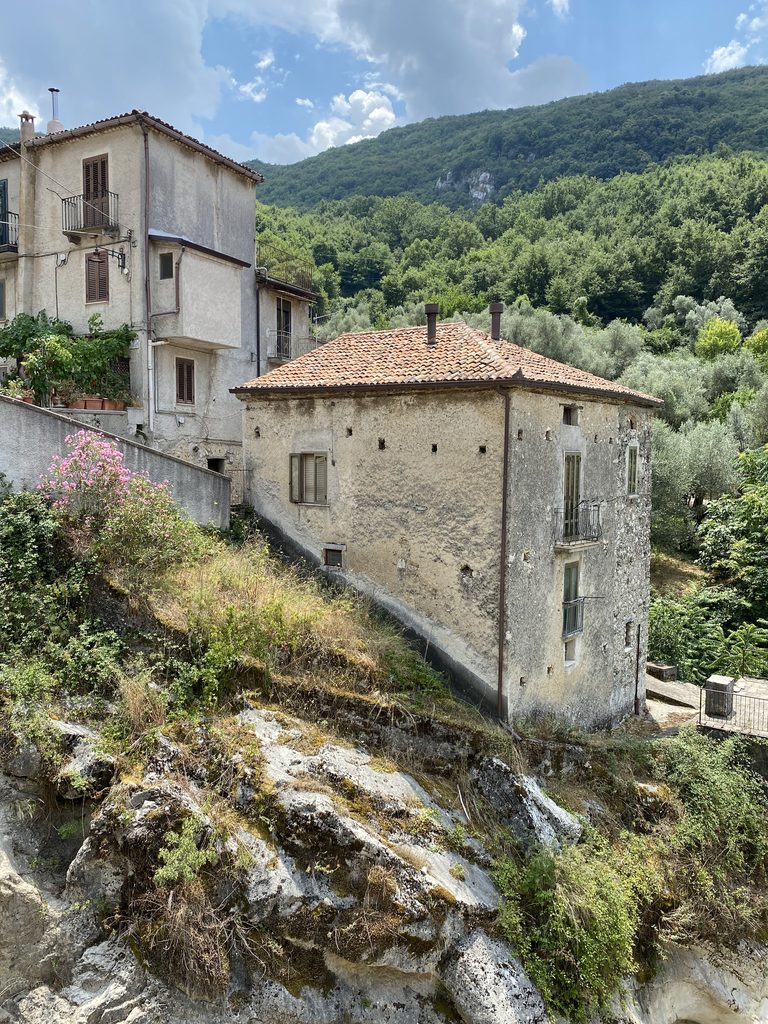
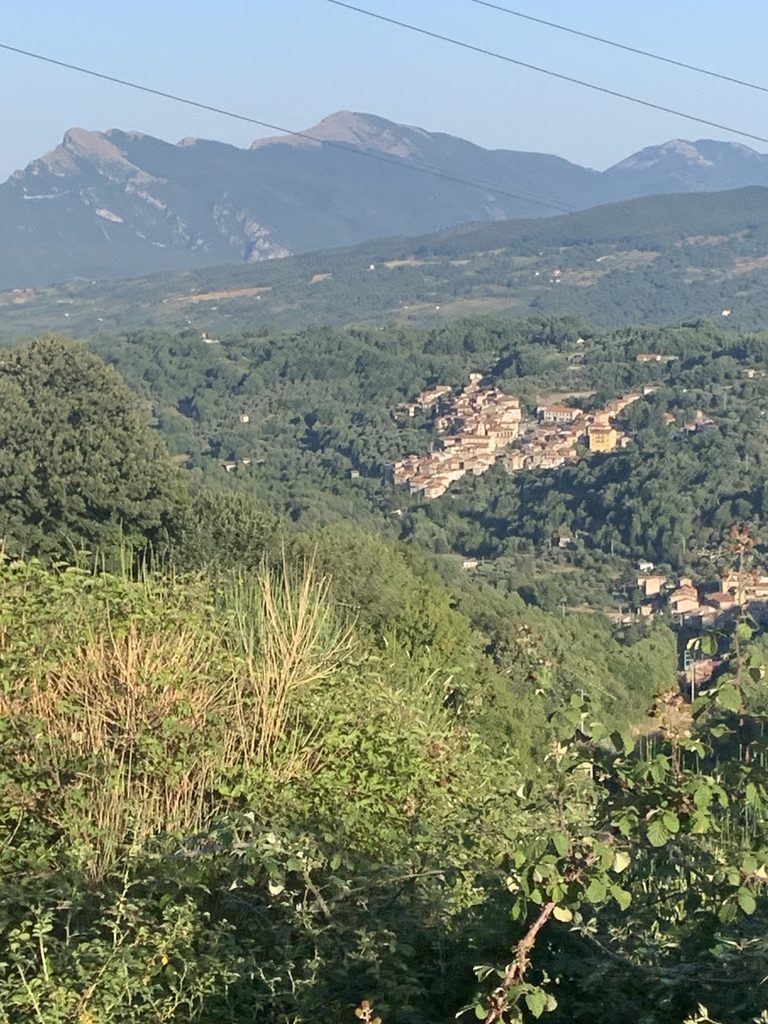
The towns population fluctuates with the summer and winter seasons with most visitors returning for the summer months for clean, cool alpine air. Of those who reside there permanently, a handful make a living off the land like times past. Fortunately for me, one of those individuals is Cumba Gillardo, my wife’s relative. Unlike many others, he chose to stay behind and make a life from mountain living. In my opinion, he was the wisest of all for staying behind. Its a tough living, but it is simple and pure.
For the most part, Cumba Gillardo and his family, live off the land. He has plenty of land and animals. He has a small herd of cattle and about a dozen goats. Early every morning, the animals are milked and every second day the milk is used to make ricotta and cheese. This is a good as it gets in terms of a real authentic experience making authentic Italian food.
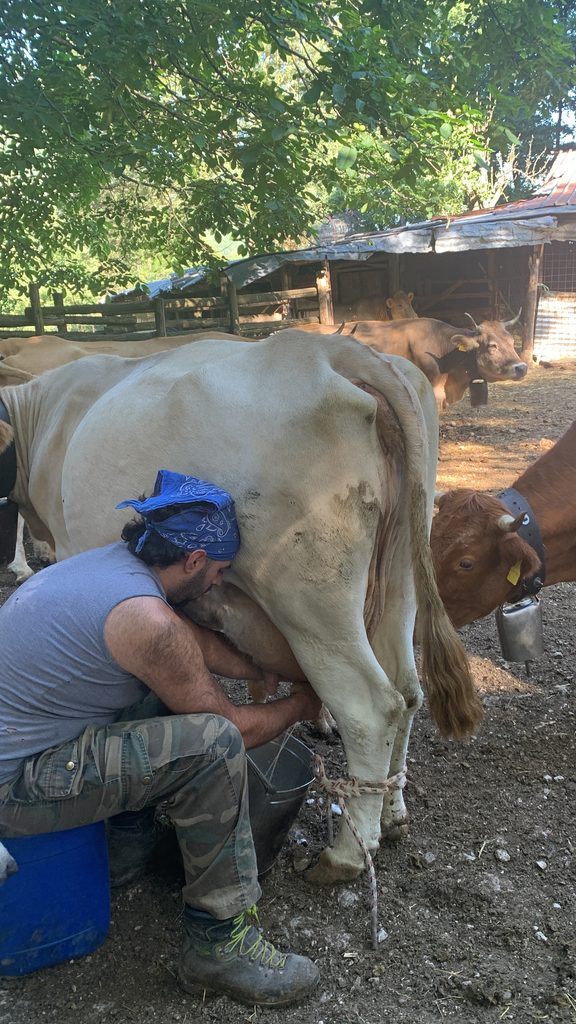
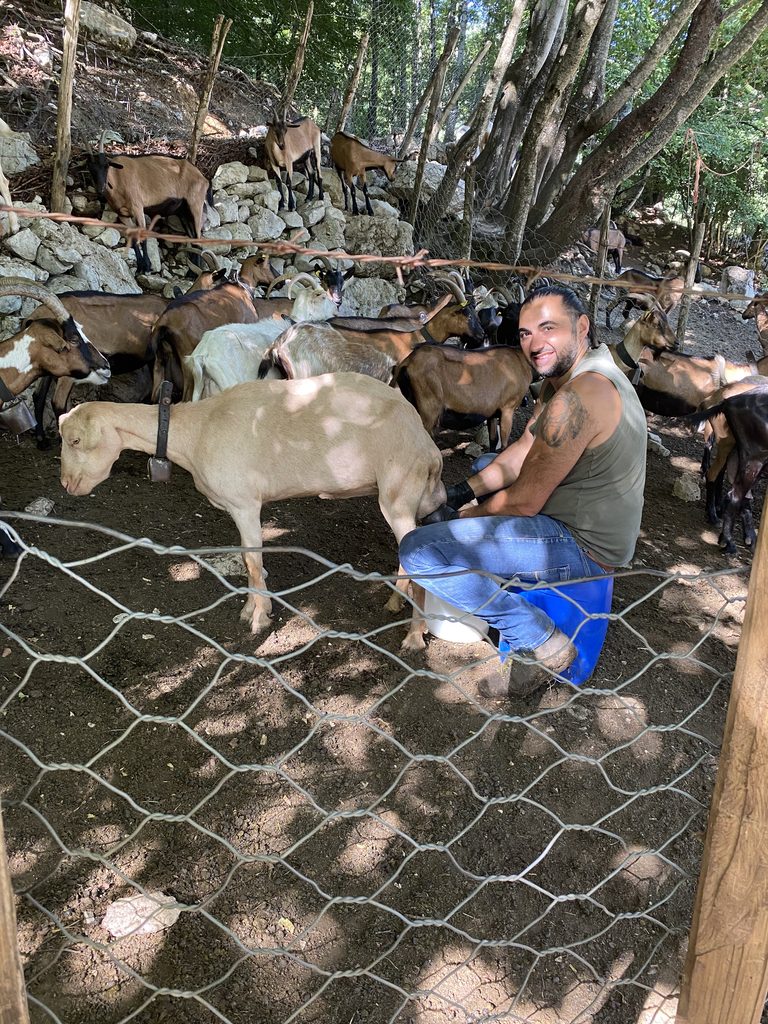
Here he is milking one of the goats.
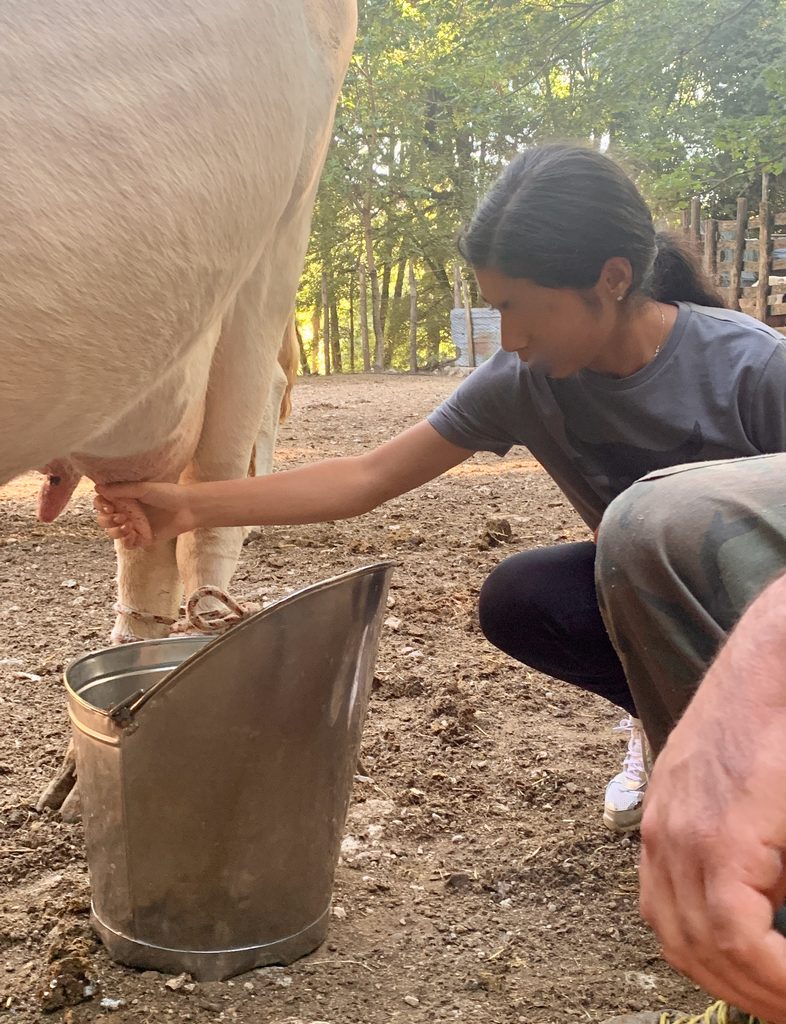
These guys (four of them) are incredibly efficient. It took them about 90 minutes to milk about two dozen animals and collect about 200 litres of milk. These animals only eat from the land, so the milk doesn’t get much better than this. It’s all natural and organic and much more flavourful.
Since they go early in the morning, especially in the summer before it starts to get hot, they built themselves a mountain cabin where they eat breakfast after all the milk has been collected and the ricotta is made. Their breakfast consists of dried bread with jam or freshly made warm ricotta.S
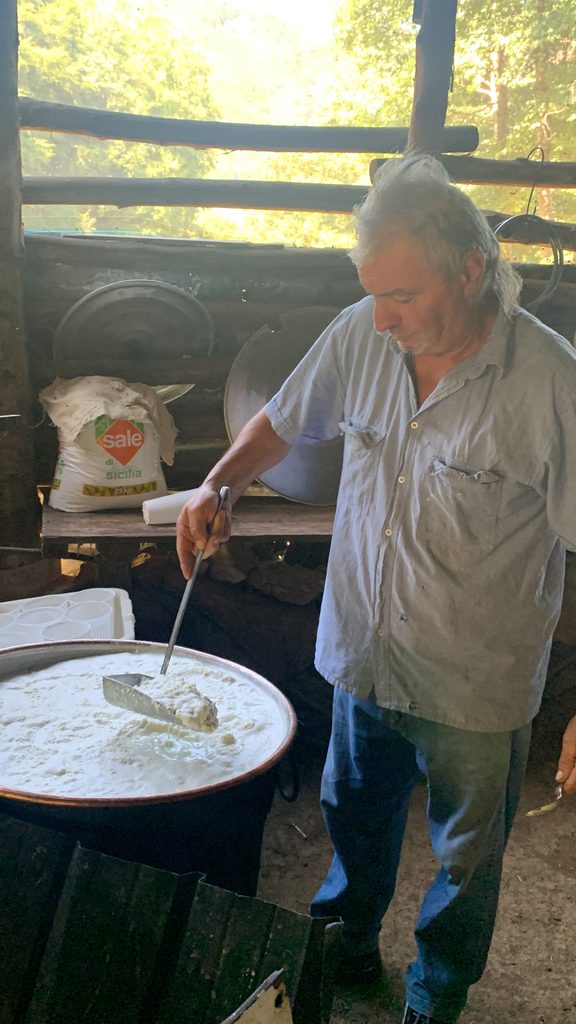
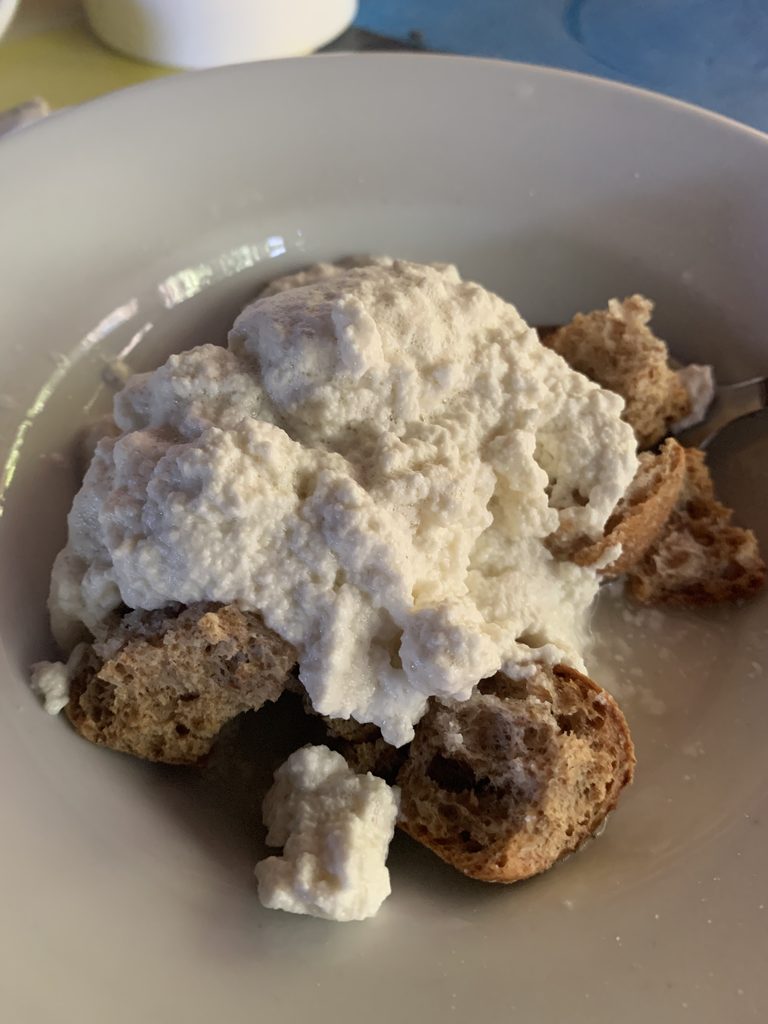
All this was completed by 10 am. Making ricotta and breakfast was the last part of the process. The curds were already collected (we will discuss this in a bit). Most of the ricotta will be sold. Some is kept for personal use. Ricotta can be used several ways. You can eat it similar to a cheese spread. Or you can use it to make the equivalent of meatballs, except you make them with ricotta Ricotta Balls. Another way to incorporate with food is to make stuffed pasta, like ravioli or manicotti.
Cumba Gillardo’s role in this process pretty much ended at this point.
The curds were separated before the ricotta was collected and placed in containers with cold spring water. It is processed later in the day when it is the temperature outside has cooled down.
This is where his role pretty much ends and his wife, Giovanna takes over later. Better stay out of her way!
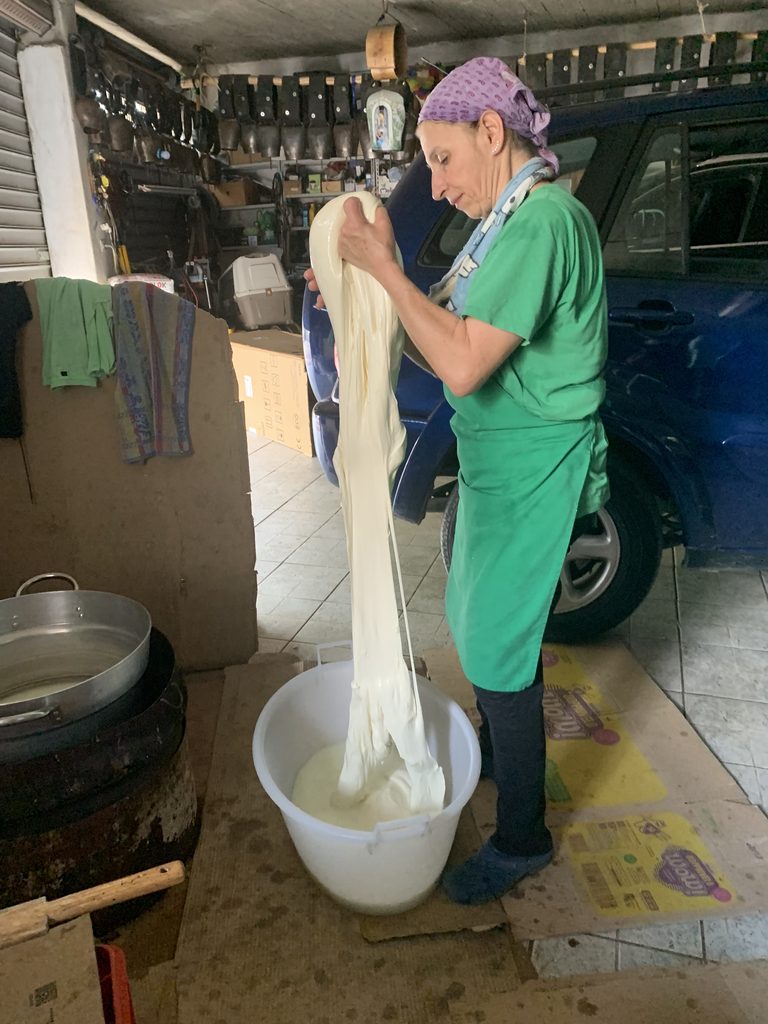
The curds that were collected need to be converted into cheese. I’m not going to get into that process. That’s for another blog. Basically, the curd the curd that was cooled down is cut up into smaller pieces and warmed up with warm water until it becomes pliable so that it can be shaped into to Caciocavallo. This is one of the types of cheese they produce in this region. It requires a good amount of strength, effort and practice to get this process correct.
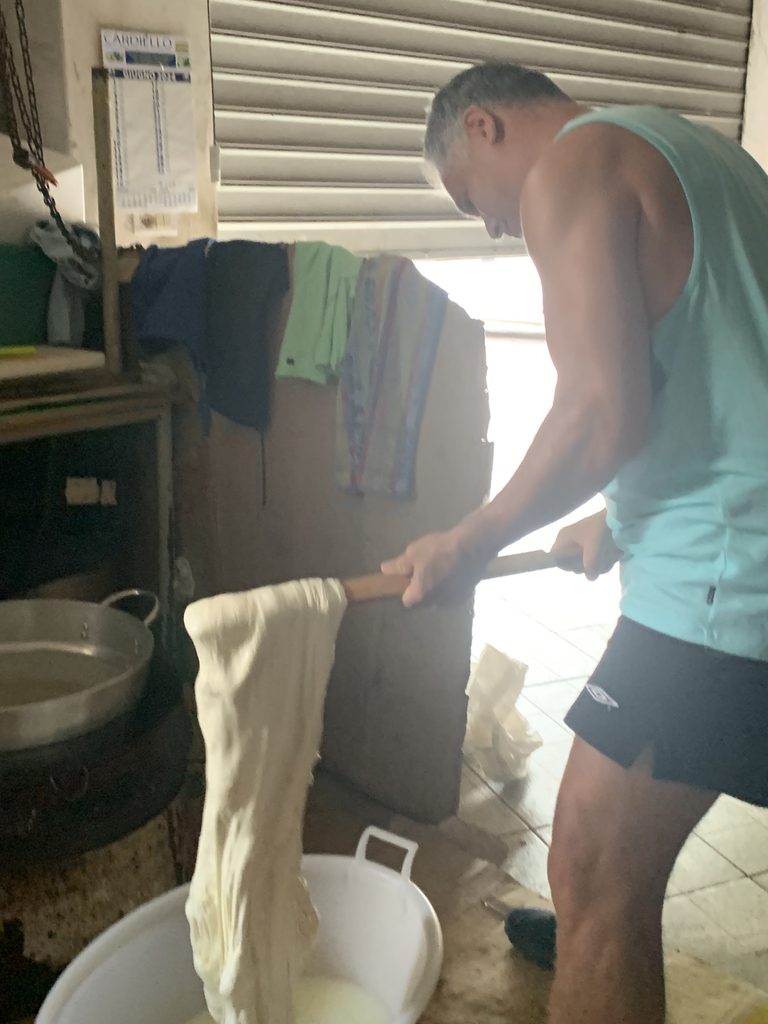
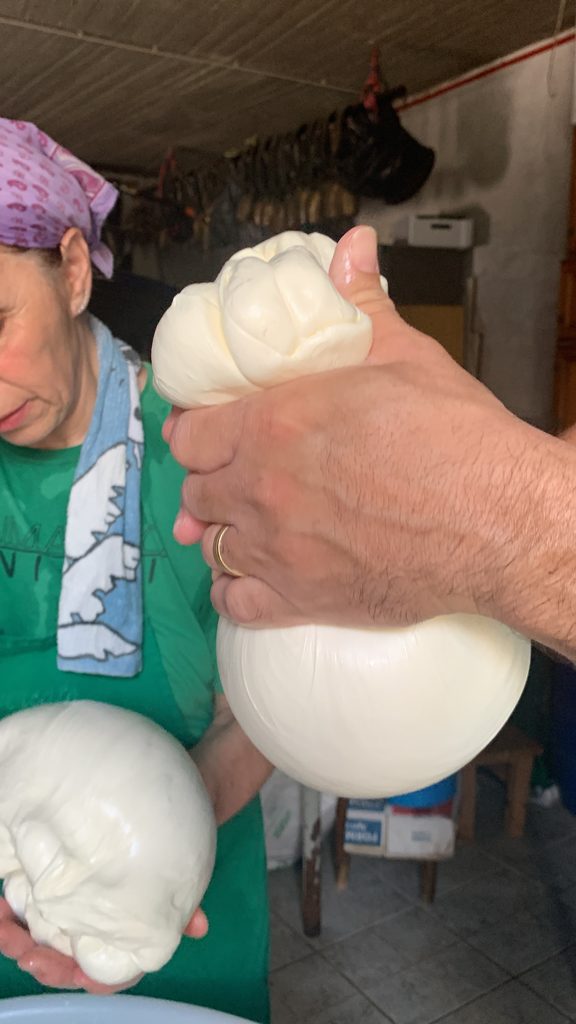
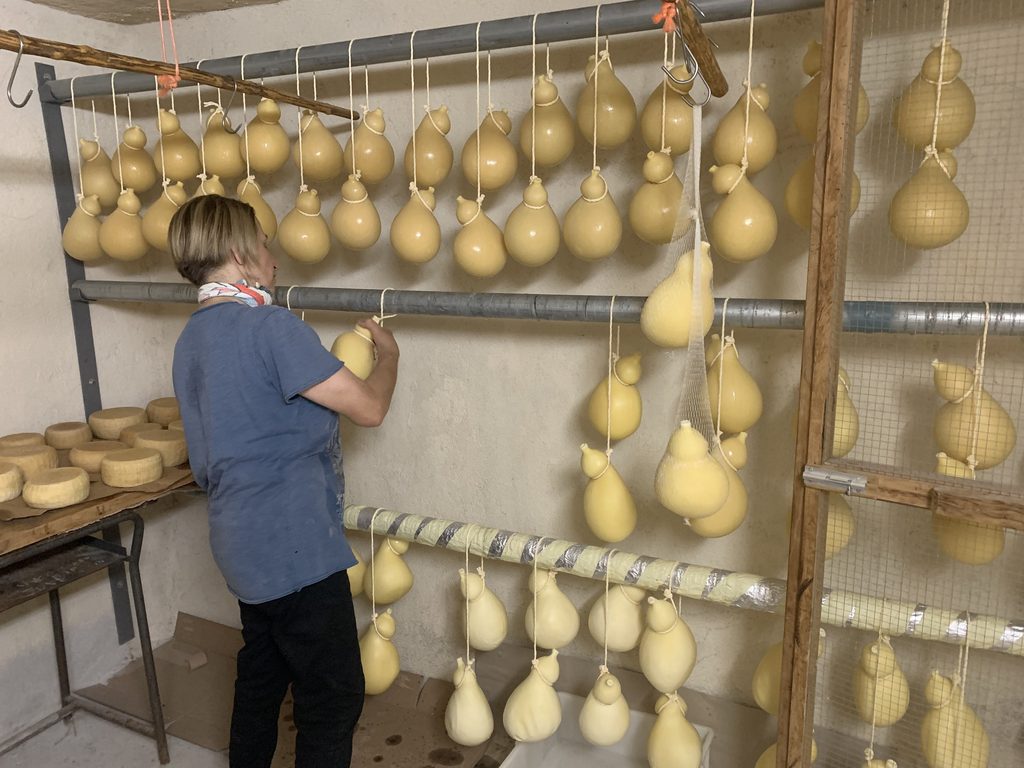
This process needs to be repeated until you have a nice long elastic shiny string of cheese. Then it can be shaped. The name Caciocavallo is believed to originate as a way to describe the cheese. Since it is hung in pairs (see pic below), it resembles how cargo would be straddled over a horse. In Italian, Cavallo means horse. The process of making this semi-hard cheese requires that the curds be processed into long stringy strands until they are unified together. To do this you must be willing to place your hands in almost boiling water. This unlike others cheeses like Pecorino or Parmigiano that are pressed in molds to give it is round shape. Without, molds the shape of the Caciocavallo is the next logical form. And, the little hump at the top offers a place to wrap the string around for hanging and curing. Caciocavallo is aged for several months before it is eaten. The longer it cures, beyond six months, the sharper the flavour.
This is not an easy life. There are no vacations or time off. Animals need to be tended to daily. They must be milked daily. The milk needs to be processed into cheese and the cheese must also be tended to as they dry. Despite this hard work, there is something wholesome about it. Perhaps it is because you are surrounded by nature. Or, you are your own boss and there is no one looking over you.
Often, I wonder if our parents got it all wrong leaving that life behind to come here and join the rat race to have a bigger house, new car and all the toys that go along with it. We work ourselves into the ground. Back in the mountain they work to live! So far, we only reviewed making cheese. What about the wine, the pasta, pizza and bread?
Personally, I’m itching to go back and get my hands dirty.